
Rodent Trapping Services in New Hope, MN
Traps only work when they're in the right spot and checked on a real schedule. We place snap traps and enclosed bait stations on the travel paths we actually find, then check and reset them until the activity is gone, not just quiet for a week.
What Kind of Traps Do We Actually Use?
Not every trap fits every situation. We pick the type based on where the activity is and who else is in the home. Worth checking it's actually a rat or mouse first — see our identification guide, since squirrels and bats need a different approach entirely.
Snap Traps
Fast and effective on an active travel path, indoors or in a garage. Our go-to for most single-family calls.
Enclosed Bait Stations
Locked housing keeps bait away from kids and pets. Standard for outdoor placement and any home with both.
Electronic Traps
A quick, contact-free option for tight spaces like a kitchen cabinet, where resetting a snap trap by hand is awkward.
We don't use glue traps. They're slow and not humane, and we'd rather use something that actually resolves the problem fast. More on that below.
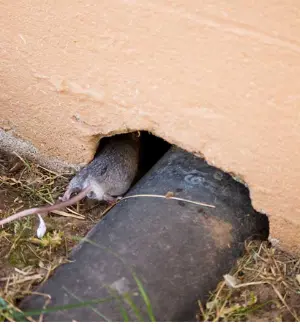 New Hope Travel Path
Why Trap Placement Matters More Than Trap Count
A trap sitting in the middle of a room almost never catches anything. Rats and mice travel along edges, walls, and the same few paths every time, and a trap only works if it's actually in that path.
In New Hope's older ramblers, that usually means along the foundation line, behind appliances, and near utility penetrations. In apartments and townhomes, it's often along a shared wall or utility chase, which is why trapping in a multi-unit building sometimes needs coordination with a neighboring unit to actually work.
How Our Trapping Visits Actually Work
Place on the Real Path
Traps go where the droppings, rub marks, or inspection findings actually point, not spread randomly around the room.
Check on a Real Schedule
Early on, that's usually twice a week. As activity drops off, checks space out until we're confident it's actually done.
Reset or Relocate
A trap that catches nothing after a couple of checks sometimes just needs to move a foot or two, not get replaced with a different type.
Confirm It's Actually Clear
No activity across multiple checks, not just one quiet visit, before we call the job finished.
Why We Skip Glue Traps
"A glue trap doesn't finish the job fast. It just means the problem is still there, suffering, for a lot longer than it needs to be."
Snap traps and enclosed bait stations both work faster and more humanely, which is why they're what we carry on every truck. If you've got glue traps down right now and want a straight answer on switching, that's a quick conversation, not a sales pitch.
What a Trapping Job Actually Looks Like
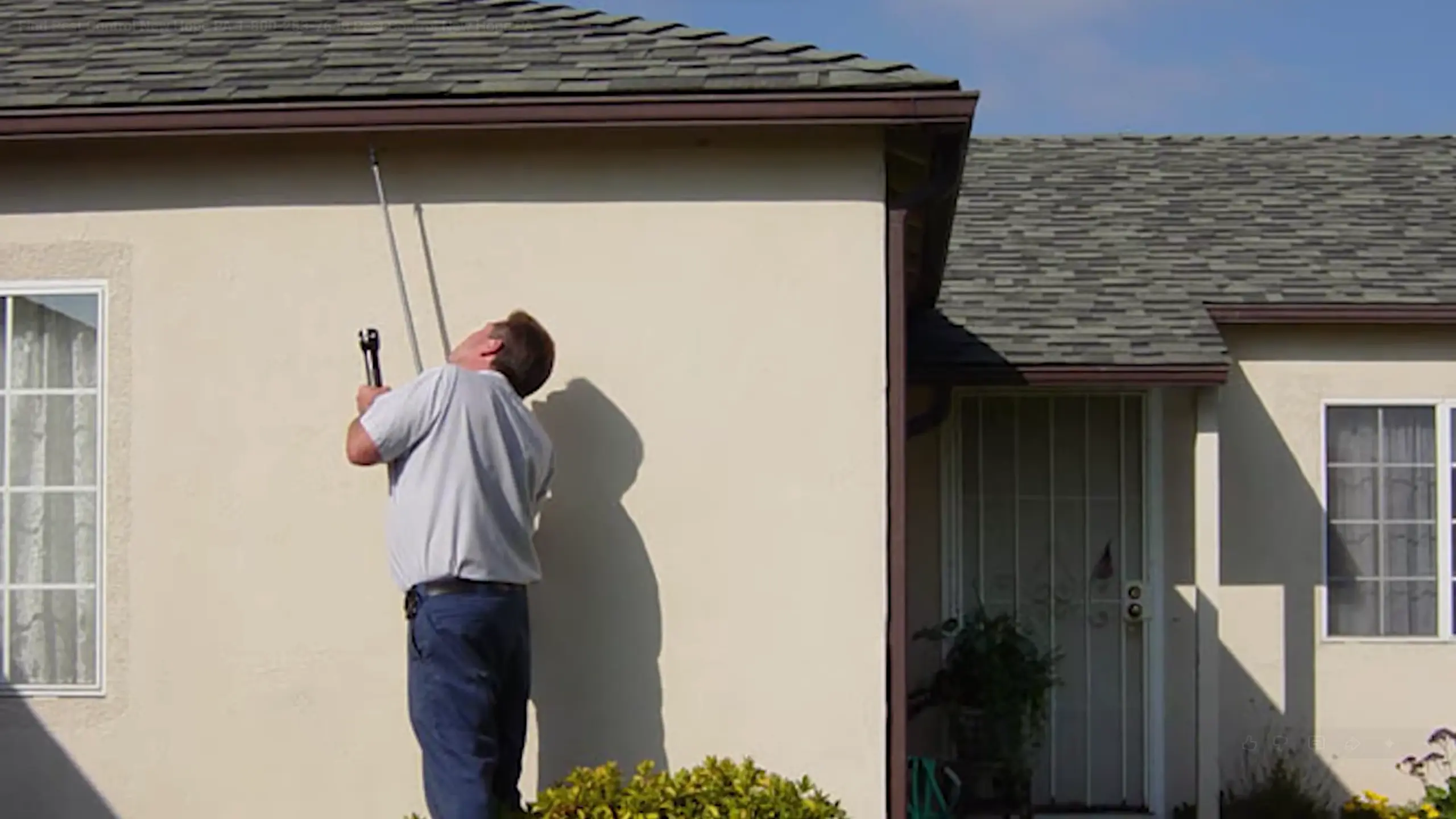
A Fourplex Needing a Coordinated Schedule
A property manager near Civic Center Park had mouse activity reported in two of four units. A single building-wide trapping pass wasn't working because new mice kept moving in from a shared crawl space.
Fix: enclosed stations placed in all four units, not just the two with complaints, on a twice-weekly check schedule, with results logged and shared with the property manager. Activity stopped across the building within three weeks.
This is an illustrative scenario based on work typical to New Hope's rental housing, not a record of a specific past client.
What Does Rodent Trapping Cost in New Hope, MN?
Trapping-only pricing depends on species, how many traps the situation needs, and how many visits it takes to confirm things are actually clear.
| Service | Typical Price | What's Included |
|---|---|---|
| Mouse Trapping (Ongoing) | $150 – $250 | Trap placement on active paths, plus scheduled checks until activity stops. |
| Rat Trapping (Ongoing) | $250 – $400 | Burrow and travel-path trapping, plus scheduled checks until activity stops. |
| Multi-Unit / Landlord Program | $75 – $150 per visit | Recurring checks across a rental building, with results reported to the property manager. |
Pricing varies by severity and access — these are starting ranges, confirmed when you book, not a quote. Sealing the entry point is priced separately; see exclusion & sealing, or the full New Hope pricing breakdown.
Trapping Questions
How many traps do I actually need?
It depends on how many travel paths we find, not a fixed number. A single kitchen gap might need two traps. A crawl space with multiple paths could need several more.
How often do you come back to check traps?
Usually twice a week early on, then less often as activity drops off. We don't stretch out check-ins just to pad visits.
What happens to the rodents you catch?
They're removed and disposed of properly on each visit. We don't leave anything in a trap for you to deal with.
Can you set traps without me being home?
Yes, as long as we can access the areas that need traps, like a garage, basement, or exterior. We'll coordinate access ahead of time.
Do you use poison, or just traps?
Mostly traps. Enclosed bait stations are an option for heavier outdoor activity, but we'll walk you through the tradeoffs before using any rodenticide around your property.
How do you know when the job is actually done?
No new activity across several consecutive checks, not just one quiet visit. If the entry point hasn't been sealed yet, we'll flag that too, since trapping alone doesn't stop new rodents from showing up later.
Trapping Service Area
Based in New Hope (ZIP codes 55427 and 55428), with regular trapping calls into these surrounding communities: