
What Rodents Actually Do to a House
Chewed wires, flattened insulation, gnawed framing — this is the part homeowners usually don't see until a repair bill shows up or, worse, until something stops working. Here's what rodent damage really looks like inside a New Hope home, and why waiting costs more than calling.
Why This Isn't Just a Nuisance
None of this is meant to scare anyone. It's meant to explain why "it's just mice" is the wrong way to think about an active infestation.
Where the Damage Actually Happens
Rodents don't damage a house randomly. They go after the same handful of areas, every time:
| Area | What Happens | Why It Matters |
|---|---|---|
| Electrical wiring | Insulation gnawed off to bare copper | Creates a short or arc — a real fire risk |
| Attic & wall insulation | Flattened, soiled, and tunneled through | Loses R-value, raises heating and cooling bills |
| Framing & sill plates | Gnawed for nesting material and to keep teeth worn down | Weakens structure over a long-running infestation |
| Ductwork | Chewed through or nested inside | Spreads droppings and odor through the whole HVAC system |
Wiring and ductwork are the two that turn a trapping job into an electrician or HVAC call, which is why we check both on every inspection.
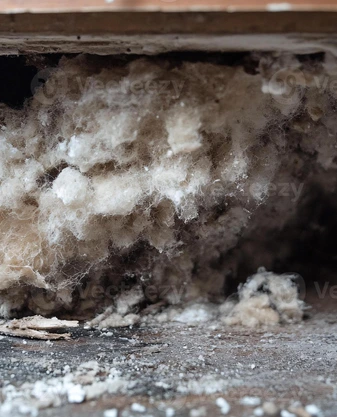
What This Damage Actually Looks Like
Not a stock photo, not a worst-case stock image from a textbook — this is what we find on real New Hope inspections:
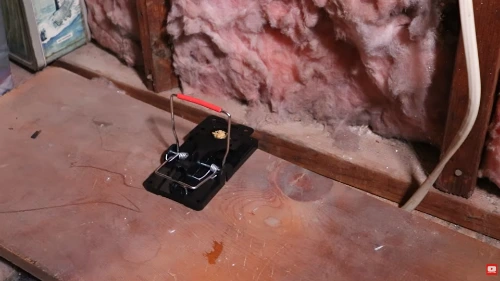
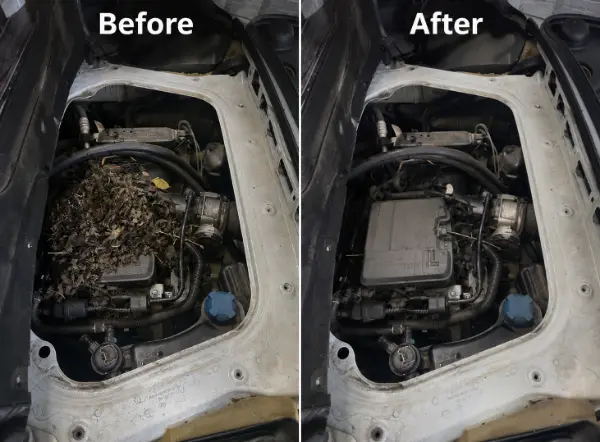
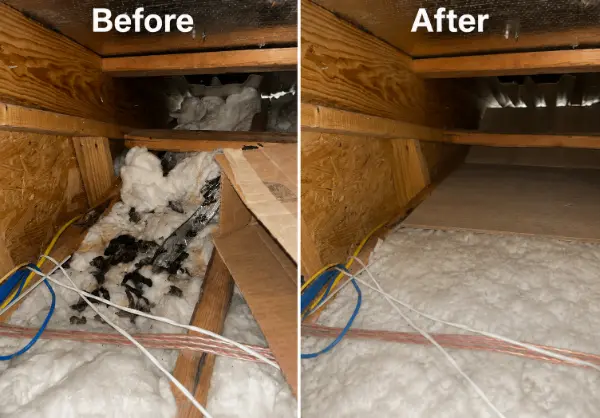
Each Type of Damage, Explained
Click through each one to see what it looks like, how serious it gets, and what we actually do about it.
- What happens: Rats and mice both gnaw insulation off wiring, often in the attic or behind a wall, exposing bare copper.
- Why it's the most serious item on this page: Exposed wire can short, arc, or spark against wood framing and insulation, and this kind of damage is often invisible until something stops working or, in the worst case, starts a fire.
- What we check: Visible chew marks on any wiring we can reach during an inspection. If wiring damage is found, we tell you to get an electrician out before we do anything else, not after.
- Where it's more common in New Hope: Homes built during the city's 1950s–60s growth years, where original wiring runs through attic and wall spaces rodents still use as travel paths today.
- What happens: Mice tunnel through attic insulation to build nests, and both rats and mice compact it down and soil it with droppings and urine along the way.
- Why it matters: Compacted, soiled insulation loses most of its ability to hold heat in, which shows up as a higher heating bill before most homeowners ever notice the cause.
- How bad it gets: A long-running infestation can leave whole sections of attic insulation unusable, not just dirty.
- The fix: Trapping and exclusion first, then a contaminated-insulation removal and replacement if the damage is heavy enough to need it.
- What happens: Rodents gnaw wood framing, sill plates, and sheathing, partly for nesting material and partly because their front teeth never stop growing and need to be worn down.
- Why it matters: One mouse gnawing a corner of a joist isn't structural. Years of repeat activity in the same spot, especially on an already-aging sill plate, can be.
- Where we see this most: Older New Hope homes with original wood sill plates that have also taken 50-plus years of Minnesota freeze-thaw cycling, which already softens wood before a rodent ever touches it.
- The real risk: It's almost always slow and easy to miss, which is exactly why it ends up more expensive than wiring or insulation damage by the time someone notices.
- What happens: Rodents chew through flexible ductwork or metal seams to get inside, and sometimes nest directly inside the duct run.
- Why it matters: A damaged duct doesn't just leak conditioned air — it can pull droppings, urine, and nest debris into the airflow that reaches every room on that line.
- How you'd notice: A persistent odor through the vents, uneven heating or cooling in one part of the house, or a spike in energy bills with no other explanation.
- The fix: Duct repair or replacement from an HVAC pro, paired with sealing the entry point so it doesn't happen again.
- The short answer: Most standard homeowners policies treat rodent damage itself as a maintenance and exclusion issue, not a covered peril, the same way they treat gradual wear and tear.
- Where it gets more complicated: Resulting damage, like a fire caused by chewed wiring, is sometimes covered even when the rodent damage that led to it wouldn't be on its own.
- What actually helps: Photos and a written inspection report from the start, so if a claim ever does need to be filed, there's a real record instead of a guess.
- Our advice: Call your carrier directly and ask about your specific policy. Don't assume either way based on what a neighbor's policy covered.
"People call us about the scratching. The damage underneath the scratching is usually worse than they expect, and it's almost always been building for longer than the noise has been going on."
— What we tell homeowners on almost every first inspection
How Damage Escalates the Longer You Wait
This isn't a worst-case scenario. It's the pattern we see on repeat calls where the first sign got ignored.
Weeks 1–2: Entry and nesting
A rodent finds a gap, gets in, and starts building a nest nearby — usually in insulation, since it's soft and already there.
Month 1: Gnawing begins in earnest
Wiring, wood, and anything else in reach starts showing chew marks as the rodent wears down its teeth and gathers nesting material.
Months 2–4: The population grows
Mice can have several litters a year. What started as one animal's damage becomes several animals' damage, spread across more of the attic or wall space.
Month 6 and beyond: Repair costs climb
Insulation needs full replacement instead of a patch. Wiring damage reaches a point an electrician has to get involved. What would've been a trapping job becomes trapping, exclusion, and repair.
The earlier we get into an attic or crawl space, the smaller every number on this list stays. Get ahead of it →
Why New Hope Homes See This Pattern So Often
Property damage from rodents isn't evenly spread across every house. A few things specific to this city push the odds higher:
- Original wiring in 1950s–60s builds. A large share of New Hope's housing stock went up during the city's big growth years, and that era's wiring often runs through the same attic and wall spaces rodents still use as travel paths.
- Attached garages next to living space. A common layout in this area, and one that gives rodents a heated, sheltered spot right next to wiring and ductwork that runs into the house itself.
- 50-plus years of freeze-thaw cycling. Minnesota winters have already softened a lot of original sill plates and sheathing before a rodent ever starts gnawing, which means the damage adds up faster than it would on newer lumber.
Fix It Now vs. Wait and See
We hear both sides of this decision a lot. Here's how it actually plays out:
Waiting Usually Means
- More animals, since the population keeps growing while nothing changes
- A bigger insulation job, from a patch to a full replacement
- A real chance the damage reaches wiring or ductwork before anyone notices
- A higher total cost once trapping, exclusion, and repair all stack up at once
Acting Early Usually Means
- A smaller trapping and exclusion job, since the entry point hasn't been in use as long
- Insulation that needs cleaning, not full replacement
- Wiring and ductwork caught before damage requires an electrician or HVAC repair
- A lower total cost, even though it means dealing with it sooner than you'd like
Curious what either path actually costs? See our full pricing breakdown for real ranges, not guesses.
Property Damage Questions We Get a Lot
How do I know if rodents damaged my wiring?
Flickering lights, an outlet or appliance that stopped working for no clear reason, or a burning smell are all signs worth taking seriously. Visible chew marks on any wiring you can see are a clear giveaway. If you notice any of this, call an electrician before doing anything else.
Can mice really cause a house fire?
Yes. Chewed-through wire insulation can expose bare copper, which can arc or spark against nearby wood framing or insulation. It's one of the more serious reasons not to let a mouse problem sit for months.
Does homeowners insurance cover rodent damage to insulation or wiring?
Usually not the rodent damage itself, which most policies treat as a maintenance issue. Damage that results from it, like an electrical fire, is sometimes covered. Check with your specific carrier rather than assuming.
How much insulation damage is too much to just clean?
If droppings, urine, or nesting material are spread through a large section rather than one small spot, replacement is usually more practical than cleaning. A real inspection can tell you which category your attic falls into.
Can rodent damage affect my home's resale value?
It can, especially if an inspection during a sale turns up chewed wiring or compacted insulation. Getting it fixed ahead of a listing is almost always cheaper than negotiating it off the sale price later.
Should I fix the damage first or deal with the rodents first?
Rodents first, every time. Repairing insulation or sealing a gap before the active animals are gone just means new damage shows up in the same spot within weeks.
Damage Inspections Across Our Service Area
Based in New Hope (ZIP codes 55427 and 55428), with the same inspection standard for these surrounding communities: