
Rat, Mouse, or Something Else? Here's How to Tell.
Not every scratch in the ceiling is a mouse, and not every hole in the yard is a rat. This guide walks through the droppings, sounds, and size differences we use every week on inspections across New Hope, so you know what you're actually dealing with before you call anyone.
The 3-Second Check: Rat or Mouse?
Most calls we get start the same way: something's scratching at night, and the homeowner isn't sure what it is. Before anything else, this is the fastest way to narrow it down:
| Trait | House Mouse | Norway Rat |
|---|---|---|
| Body length | 2.5–4 in (plus tail) | 7–9.5 in (plus tail) |
| Build | Light, slender, pointed nose | Thick, heavy, blunt nose |
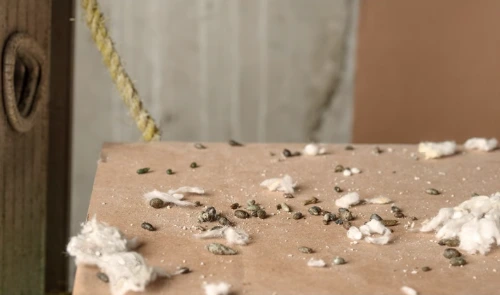
| Droppings | Grain-of-rice sized | Raisin sized |
| Travel habits | Climbs into wall voids, insulation, cabinets | Stays low along foundations and ground-level paths |
If what you're hearing doesn't match either row — especially if it's bigger, faster, or only happens right at dawn and dusk — keep reading. There's a good chance it's not a rodent at all.

Rat, Mouse, Squirrel, Vole, or Bat? Click Through Each One
Homeowners call us about all five of these, and more often than you'd think, it turns out to be something other than a rat or mouse. Pick the one that sounds closest to what you're seeing or hearing.
- Size: 7–9.5 inches long, not counting a shorter, scaly tail. Heavy-bodied with a blunt nose.
- Sound: A low thumping or scratching, usually along the floor or low in a wall — not overhead.
- Droppings: Raisin-sized, often found along foundation lines, in garages, or near a shed.
- Where we find them in New Hope: Burrows along fence lines, under sheds, and near aging sewer and storm lines from the city's 1950s–60s growth years.
See how we handle an active rat problem → | Full Norway rat behavior guide →
- Size: 2.5–4 inches long, not counting the tail. Light, slim, with a pointed nose and bigger ears for its size.
- Sound: Quick scurrying or scratching, often overhead in a ceiling or inside a wall void — mice climb well.
- Droppings: About the size of a grain of rice, dark and pointed at the ends.
- Where we find them in New Hope: Attics and wall voids in older ramblers, especially where an original vent screen has worn through.
See how we handle an active mouse problem → | Full house mouse behavior guide →
- Size: Gray squirrels run 9–12 inches plus a long, bushy tail — noticeably bigger than a rat and much louder.
- Sound: Heavy running and rolling noises in the attic, mostly during the day, since squirrels are active at dawn and dusk, not all night like rodents.
- Droppings: Larger and more rounded than rat droppings, often found in a pile near one nesting spot rather than scattered along a path.
- Where we find them in New Hope: Roofline gaps and soffit damage near mature trees, which are common close to Northwood Park and along older residential streets with big shade trees.
Squirrel? That's not a job we trap the same way as a rodent. Get a second opinion →
- Size: 4–7 inches, small and stocky with a short tail and tiny ears — easy to mistake for a mouse at a glance.
- Sound: Voles rarely get indoors, so there's usually no noise in the house at all — the giveaway is outside.
- Signs: Narrow surface runways through grass, and winding tunnel trails that show up in the lawn right after snowmelt.
- Where we find them in New Hope: Yards near Northwood Park and other green space with thick grass or heavy mulch cover, almost never inside the home itself.
Vole activity is a yard fix, not a trapping job. Ask us what to do →
- Size: Minnesota's little brown bat and big brown bat are both small, with a wingspan around 8–13 inches — body alone is just a few inches.
- Sound: A faint fluttering, chittering, or soft scratching right at the roofline, usually right at dusk as bats head out to feed.
- Signs: Small, dark, crumbly droppings that look like mouse droppings but crumble into a powder when crushed, since they're mostly digested insects.
- Where we find them in New Hope: Gaps at the roof-to-wall seam on older homes, usually a dime-sized opening or larger is all they need.
Bats are legally protected in Minnesota. Talk to us before doing anything →
What the Evidence Actually Looks Like
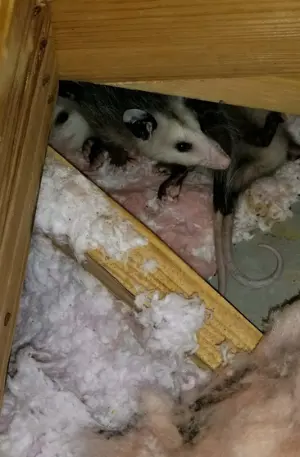
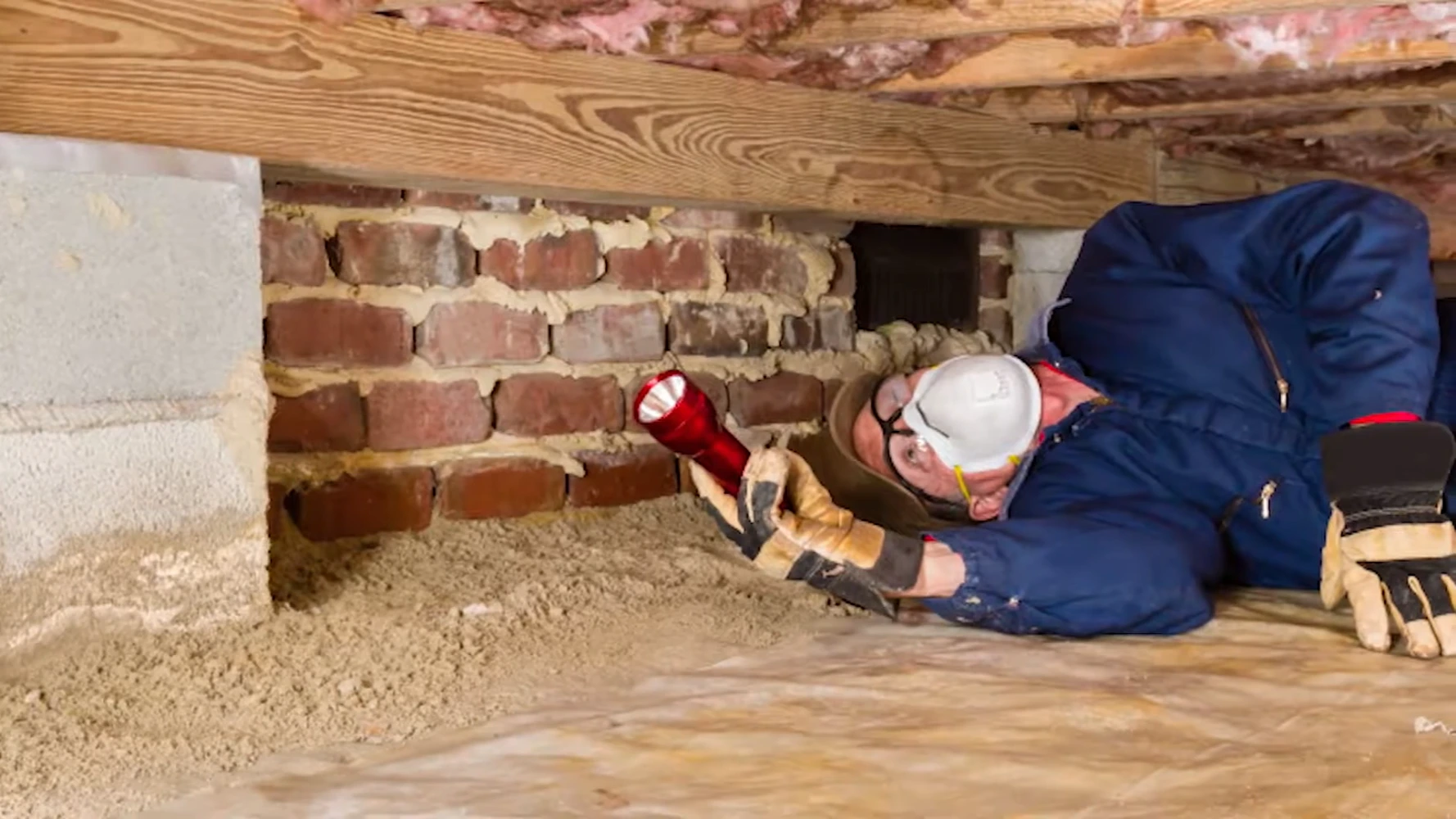
Droppings are usually the single clearest sign of what's in a home, more reliable than sound alone. Here's what we're looking at on a real inspection:
What's That Noise? Match the Sound
Sound alone isn't perfect, but it narrows things down fast. Find the one closest to what you're hearing:
Quick, light scurrying overhead
Most likely mice. They're light, climb well, and stay active all night in insulation and wall voids.
Mouse removal →A heavier thump or scratch, low in a wall
This points to rats, which travel low along foundations and ground-level paths rather than overhead.
Rat removal →Loud running or rolling in the attic
Daytime activity, especially right after sunrise or before sunset, almost always means squirrels, not rodents.
Ask us about it →A faint fluttering or chittering near the roofline
That timing and sound is typical of bats leaving to feed. They use small gaps at the roof-to-wall seam, often no bigger than a dime.
Ask us about it →No noise inside, but trails in the yard
Voles rarely come inside. Surface runways in grass or tunnels that appear after snowmelt are a yard problem, not a house problem.
Ask us about it →Why New Hope Sees This Many Different Species
It's not just rats and mice here. In over a decade of inspections across this city, three local factors keep bringing in a wider mix of wildlife than most homeowners expect:
Mature Tree Cover
Streets built up during New Hope's big growth years in the 1950s and 60s now have decades-old shade trees, exactly the setup squirrels use to reach a roofline.
Northwood & Civic Center Parks
Roughly 85 acres combined of park, lake, and trail support healthy outdoor populations of voles, squirrels, and the occasional bat colony, all a short trip from nearby homes.
Aging Entry Points
Original vent screens, roof-to-wall seams, and foundation gaps weren't built to modern pest-exclusion standards, and 50-plus years of Minnesota freeze-thaw cycles have only widened them.
Rodent or Not? Why It Actually Matters
Treating a squirrel or bat problem like a mouse problem wastes time and money, and in some cases creates a legal issue you didn't need.
Rats & Mice
Can be trapped and excluded year-round. Breed fast, so delay usually means a bigger job later. Health risk comes from droppings and urine, not the animal itself.
Bats
Protected under Minnesota law. Removal has to follow specific timing and methods — not a snap trap.
Squirrels
Usually need a one-way exclusion door instead of trapping, especially when young are in the nest.
Voles
A lawn issue best handled with habitat changes, not indoor treatment.
Identification Questions We Get a Lot
How can I tell if droppings are from a rat or a mouse?
Size is the fastest tell. Mouse droppings are about the size of a grain of rice, while rat droppings are closer to a raisin — roughly three to four times bigger. Both are dark and hard once dry.
Could the noise in my attic be a squirrel instead of a rodent?
Yes, and it's common. Squirrels are active during the day, especially early morning and evening, and sound heavier and faster than a mouse. Rats and mice are active overnight and sound lighter.
What's the difference between a vole and a mouse in my yard?
Voles are stockier with a shorter tail and smaller ears, and they almost never come indoors. If you're seeing narrow trails or tunnels in the grass but nothing inside the house, that's a vole, not a mouse.
Do bats make the same scratching noise as mice?
They can sound similar, but bats are usually heard right at dusk near the roofline as they leave to feed, while mice are active all night and tend to be heard moving through wall voids or insulation.
Is it a baby rat or a mouse?
This trips people up a lot. A young rat already has the thicker body, blunt nose, and shorter-relative-tail of an adult rat, just smaller. A mouse stays slim and pointed-nosed at any age. Ear size relative to the head is another good clue — mice have noticeably bigger ears for their size.
What's the fastest way to identify what's actually in my house?
Droppings first, sound and timing second. If you're still not sure, a real inspection settles it in one visit — we check droppings, travel paths, and entry points directly instead of guessing from a description.
Identification & Inspection Service Area
Based in New Hope (ZIP codes 55427 and 55428), with regular calls into these surrounding communities: