
Rodent Control & Rat/Mouse Removal in New Hope, MN
Rodent Solutions handles inspections, exclusion, and trapping for homes and rentals across New Hope and the surrounding west metro, with an eye for the specific gaps that let rodents into a 1960s rambler's attic or foundation line.
How Do I Know If It's a Rat or a Mouse?
Scratching at night in the ceiling or walls fits both species — rats and mice are nocturnal. Here's the fast way to tell which one you've got:
| Trait | House Mouse | Norway Rat |
|---|---|---|
| Body length | 2.5–4 in (plus tail) | 7–9.5 in (plus tail) |
| Build | Light, slender | Thick, heavy, blunt nose |
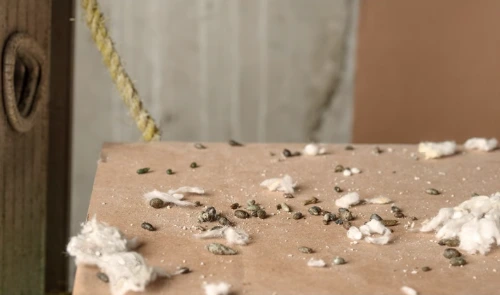
| Droppings | Grain-of-rice sized | Raisin sized |
| Travel habits | Climbs into wall voids, insulation, cabinets | Stays low along foundations and ground-level paths |
Norway rats are the species we see most often in this part of Hennepin County — see our rat removal page for what that job looks like. Not sure it's even a rodent? Our full identification guide covers squirrels, voles, and bats too.

Rodent Control Services in New Hope, MN
Rat Removal
Locating active rat burrows and travel paths, then trapping and sealing the access points they're using.
Mouse Removal
Finding where mice are getting in (often a gap no bigger than a dime), clearing active nests, and closing the entry for good.
Rodent Inspection
A walk-through of your attic, crawl space, foundation line, and roofline to find droppings, grease trails, and entry points before we recommend anything.
Exclusion & Sealing
Steel wool, galvanized hardware cloth, and sealant on the actual gaps rodents use — the one-time fix that outlasts repeated trapping alone.
Trapping Services
Snap and enclosed bait-station trapping placed on known travel paths, checked on a schedule until activity stops.
Why Do New Hope Homes Get Rodents?
Three local factors drive most of the calls we get:
- Older housing stock. New Hope's population jumped from under 700 in 1950 to over 23,000 by 1970, and a lot of that housing is still standing. Decades-old sill plates and original vent screens are exactly the gaps rats and mice look for, especially after 50-plus Minnesota winters of freeze-thaw cycling widened the cracks.
- Parks and water nearby. Northwood Park's 65 acres include a lake and regional trail, and Civic Center Park adds roughly 20 more. That's healthy habitat for outdoor rodent populations, and a property near either one is a short trip from activity looking for a warmer place to be in October.
- A heavy rental and apartment mix. New Hope runs close to an even split between owner-occupied and rental housing, with apartment-style units making up a large share of the stock. Shared walls and connected crawl spaces mean one unit's rodent problem becomes the whole building's problem fast.

What Rodents Actually Damage
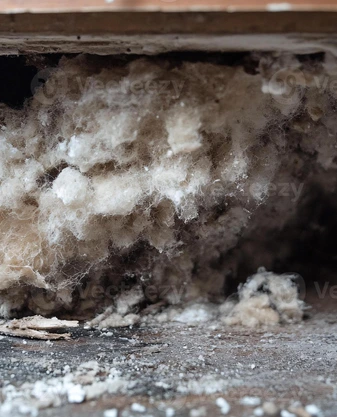
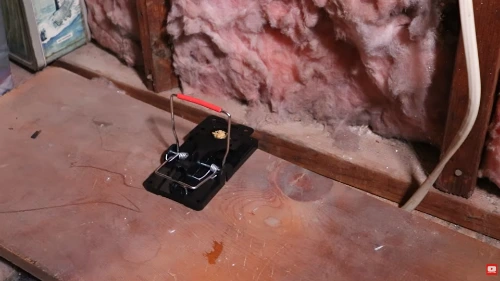
This isn't abstract. Rodents chew through wiring insulation, compact and soil attic insulation, gnaw structural wood, and contaminate anything they walk or nest near. Here's what that looks like once it's found, and our full breakdown of the damage and fire risk covers it in more depth:
When Are Rodents Most Active in Minnesota?
Rodent activity in New Hope follows the Minnesota calendar closely. Here's what that looks like season by season — see our FAQ for more on exactly when rodents move indoors.
| Season | What's Happening | What Homeowners Notice |
|---|---|---|
| Fall (Sept–Nov) | Falling temperatures push mice and rats to look for food, water, and shelter indoors as outdoor sources dry up. | First scratching sounds, droppings in garages and basements, the start of most service calls. |
| Winter (Dec–Feb) | Rodents already inside stay put near heat sources; New Hope's January average runs roughly 7–23°F, which is lethal to rodents caught outside without shelter. | Peak indoor activity — attics, wall voids, behind appliances. |
| Spring (Mar–May) | Breeding season ramps up as rodents seek safe, hidden spots to raise young. | A second activity spike, sometimes mistaken for a "new" infestation when it's really the same one expanding. |
| Summer (Jun–Aug) | Outdoor food is abundant again, so indoor pressure usually eases. | The best window to seal entry points before fall drives the next wave inside. |
How Much Does Rodent Control Cost in New Hope, MN?
Pricing depends on three things: how many entry points there are, how hard they are to reach, and whether the job is trapping only or trapping plus exclusion. A single accessible entry point costs a lot less to fix than a crawl-space job with multiple gaps behind finished walls. The ranges below reflect what's typical in the Twin Cities metro — your actual quote comes after a real inspection, and it can land outside these ranges depending on the extent of the problem.
Mouse Removal
$150 – $400
Inspection, trap placement, and sealing of the specific entry points found.
Rat Removal
$250 – $600
Burrow and travel-path assessment, trapping, and exterior access sealing.
Full Exclusion
$500 – $2,500+
Comprehensive sealing across the foundation, roofline, and vents for a long-term fix. Severe or hard-to-access cases can run higher.
Pricing varies by home, access, and severity — these are starting ranges, not a quote. See the full pricing breakdown for an itemized look at every service.
What Actually Happens During a Service Visit?
Inspect
We check the attic, crawl space, foundation line, and roof for droppings, grease trails, gnaw marks, and active entry points. No inspection means no real quote.
Identify
Rat and mouse problems get different treatment. We confirm which species (or both) before recommending a plan.
Exclude & Trap
Entry points get sealed with steel wool and galvanized hardware cloth, materials rodents can't chew through. Traps go on known travel paths.
Follow Up
We check trap activity and confirm the seal is holding before calling the job done.
Example Service Scenarios
These are illustrative scenarios based on the kind of work common to New Hope's housing stock — not records of a specific past client.
Scratching in the Attic of a 1960s Rambler
A single-family home near Northwood Park reports scratching sounds at night, starting in early October. Inspection finds a gap where a roofline vent screen had degraded, plus compacted insulation consistent with mouse nesting. Fix: vent screen replaced with galvanized hardware cloth, interior traps placed along the attic access path, follow-up visit confirms no further activity after two weeks.
Rat Burrow Along a Fence Line
A homeowner near an older alley-adjacent lot notices burrow holes along the base of a fence and droppings near a shed. Inspection confirms Norway rat activity, no interior entry yet. Fix: exterior bait stations placed along the travel path, burrow collapsed and filled, follow-up two weeks later shows no new burrowing. See our rat removal process →
Shared-Wall Mouse Activity in a New Hope Multi-Family Unit
A renter reports mice in a kitchen cabinet in a multi-unit building. Inspection traces the entry to a gap around a shared plumbing chase affecting two adjacent units. Fix: coordinated sealing on both sides of the chase, which required landlord and property manager coordination, traps placed in both units, confirmed clear after a two-week check.
Health Risks & Pet Safety
Health Risks
Rodents carry real health risks — hantavirus and salmonella are the two most commonly cited by local health authorities, both spread through contact with droppings, urine, and nesting material. That's why DIY cleanup in an attic or crawl space calls for gloves and a proper mask before anything gets disturbed. See our full rodent health risks guide for safe cleanup steps.
Pet & Wildlife Safety
We're upfront about the rodenticide tradeoff: anticoagulant bait is effective but carries a real risk of secondary poisoning to pets, owls, and other predators that eat a poisoned rodent. Where it fits the situation, we'll walk you through trap-and-exclude-only approaches so you can weigh the tradeoff yourself before deciding.
Common Questions
How long does a rodent inspection take?
Most single-family inspections run 30-60 minutes, covering the attic, crawl space, foundation line, and roof. Larger homes or multi-unit buildings can take longer.
Do you offer same-week service in New Hope?
Usually, yes. Scheduling depends on current workload, but New Hope and the surrounding west metro are our core service area, so turnaround is typically faster here than for outlying calls.
Can I stay home during treatment?
Yes. Trapping and exclusion work doesn't require leaving the property. If rodenticide is part of the plan, we'll walk you through placement so it stays away from kids and pets.
What's the difference between trapping and exclusion?
Trapping removes the rodents currently inside. Exclusion seals the entry points they used to get in. Trapping without exclusion usually means new rodents eventually find the same gap.
Do you work with landlords and rental properties?
Yes. Multi-unit buildings often need coordinated sealing across shared walls or plumbing chases, which we handle directly with property managers or landlords.
What areas besides New Hope do you serve?
Crystal, Robbinsdale, Golden Valley, Plymouth, and Brooklyn Center, in addition to New Hope itself.
See our full FAQ, including cost, DIY vs. professional, and more →
Service Area: New Hope & Nearby Communities
Based in New Hope (ZIP codes 55427 and 55428), with regular calls into these surrounding communities:
Reviews
This team is incredibly professional and detail-oriented. I recommend them to all my clients.

The report was so thorough and easy to understand. Worth every penny.

They caught a major foundation issue that saved us from a bad deal. Forever grateful.